Notes & process.
A place for observations,
experiments and practical 3D notes.
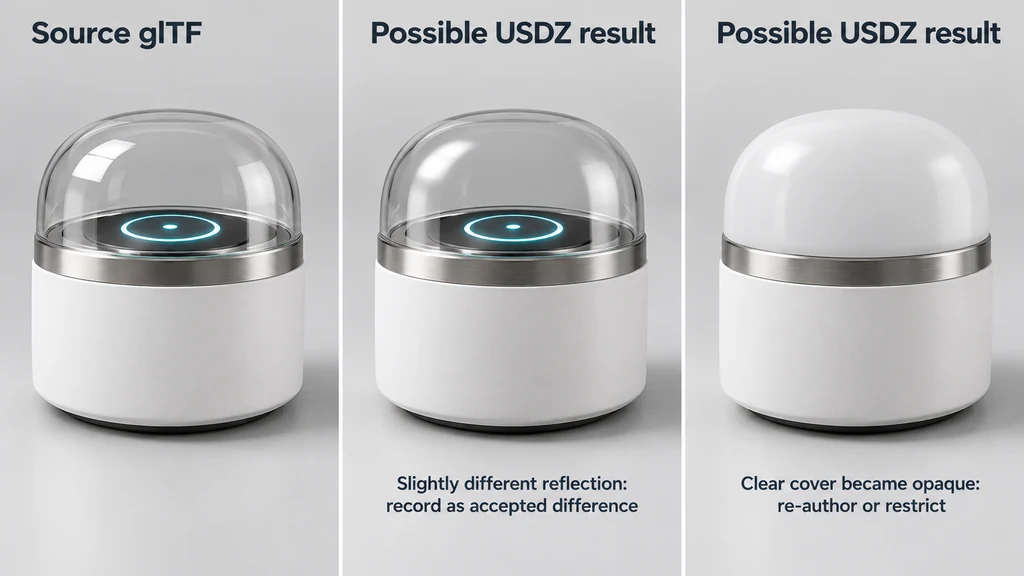
Translate glTF product materials to USDZ and document visual differences
Translate the material's meaning, then inspect the result in the actual USDZ destination. Similar parameter names do not guarantee identical shading. A successful export can still alter the finish enough to misrepresent the product.
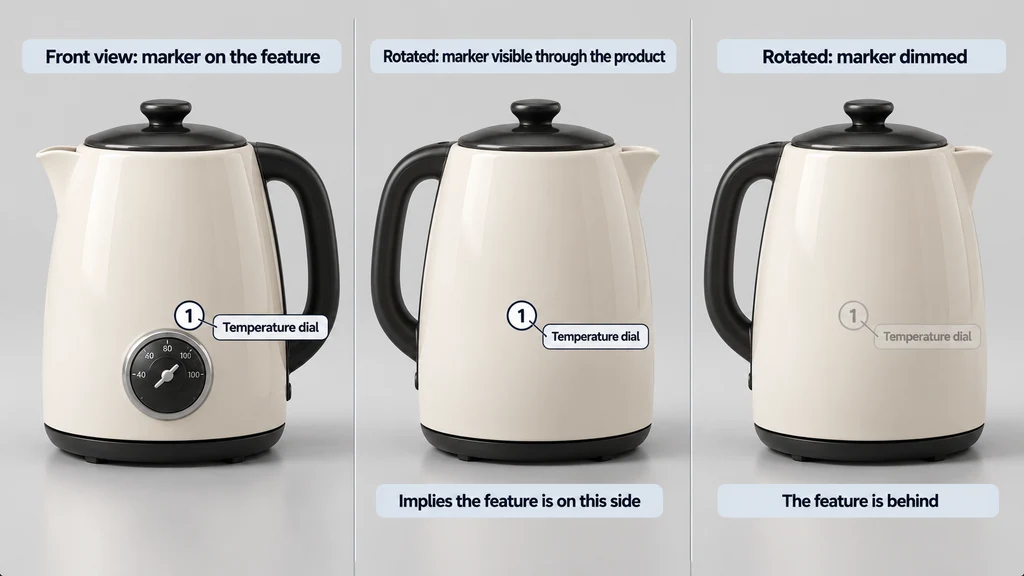
Design product hotspots for web viewing and AR handoffs
Give each hotspot one useful product fact and a location that still makes sense when the product rotates. A label floating near the default camera position is not a reliable annotation if it drifts away from the feature during inspection.
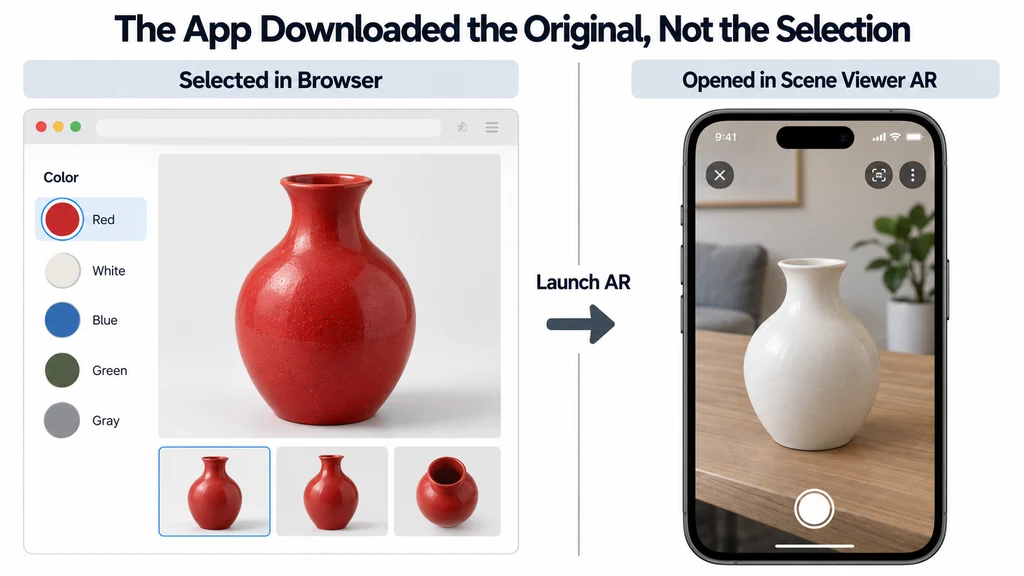
Keep the selected product finish when launching mobile AR
Trace the selected finish to the asset the AR application actually opens. A red product in the browser can become the default white version in AR if the external application downloads the original file instead of receiving the modified scene.
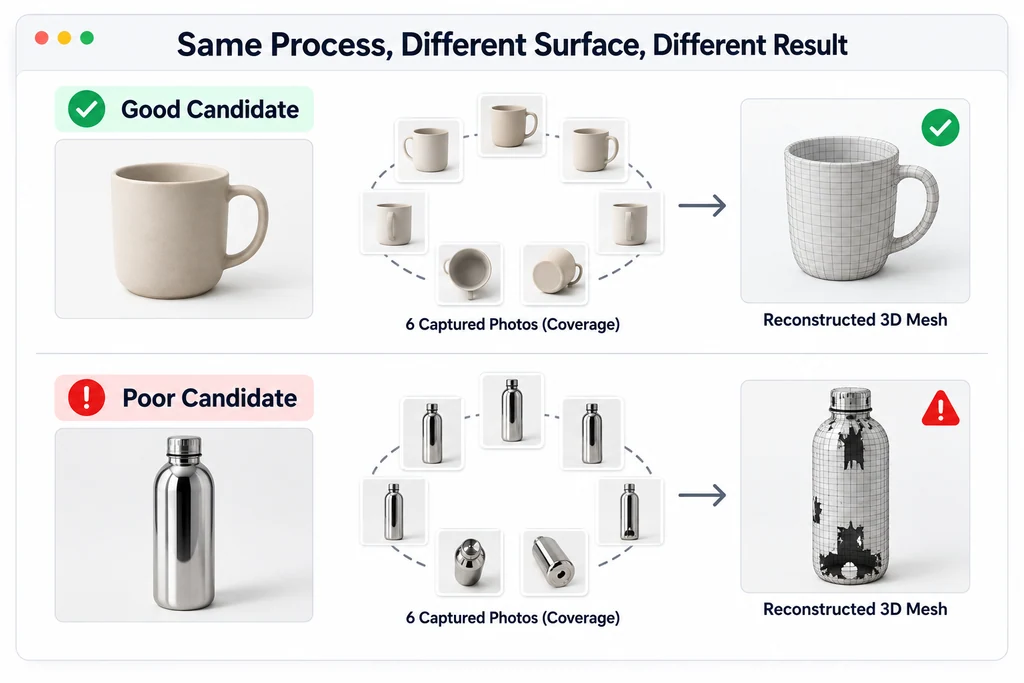
Capture a physical product for 3D reconstruction with Apple Object Capture
Choose the product and capture conditions before expecting Object Capture to produce a useful model. Photogrammetry depends on consistent visual evidence across photographs. A reflective or transparent product can be a poor candidate even when it photographs beautifully for advertising.
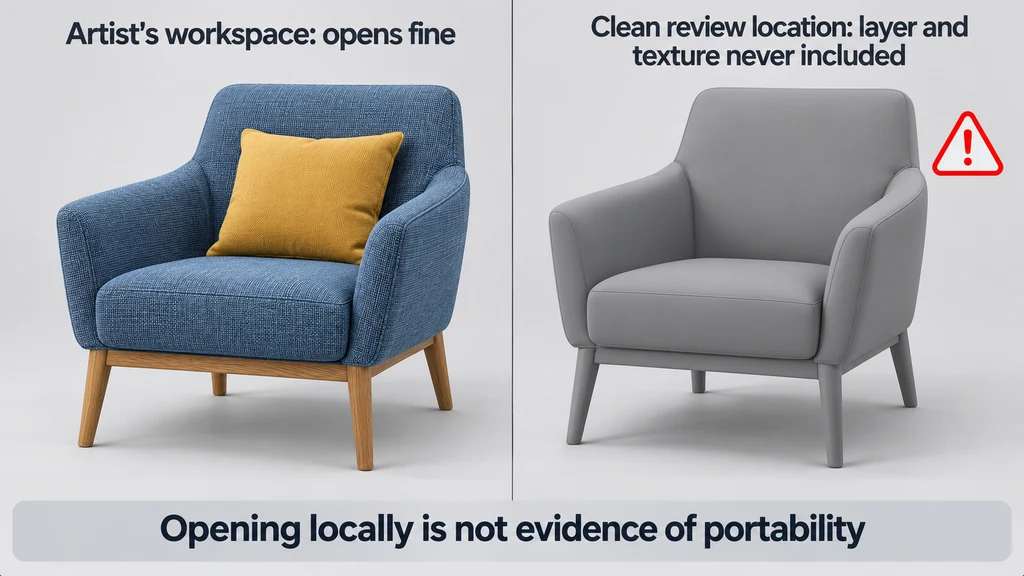
Package a USD product scene without losing referenced assets
Test a USD delivery outside the directory where it was authored. A scene that opens on the artist's machine may still depend on a referenced layer or texture that was never included. Successful local opening is not evidence of portability.
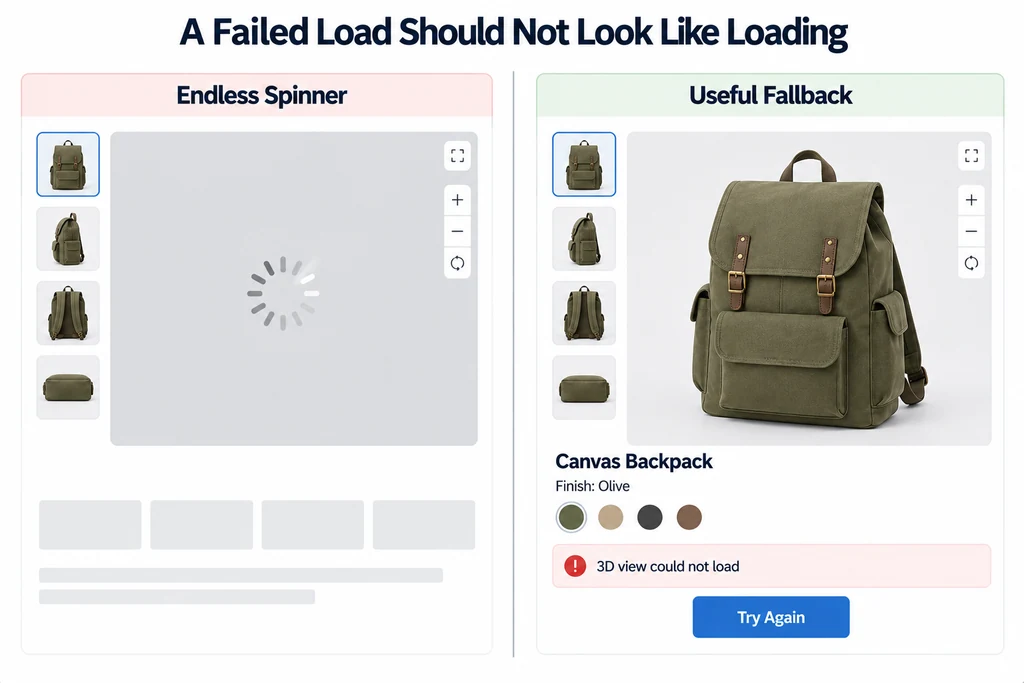
Design poster, loading, retry, and fallback states for a product viewer
Keep useful product content visible while 3D is unavailable. The initial state, a slow load, and a failed load are different situations and should not all look like an endless spinner.
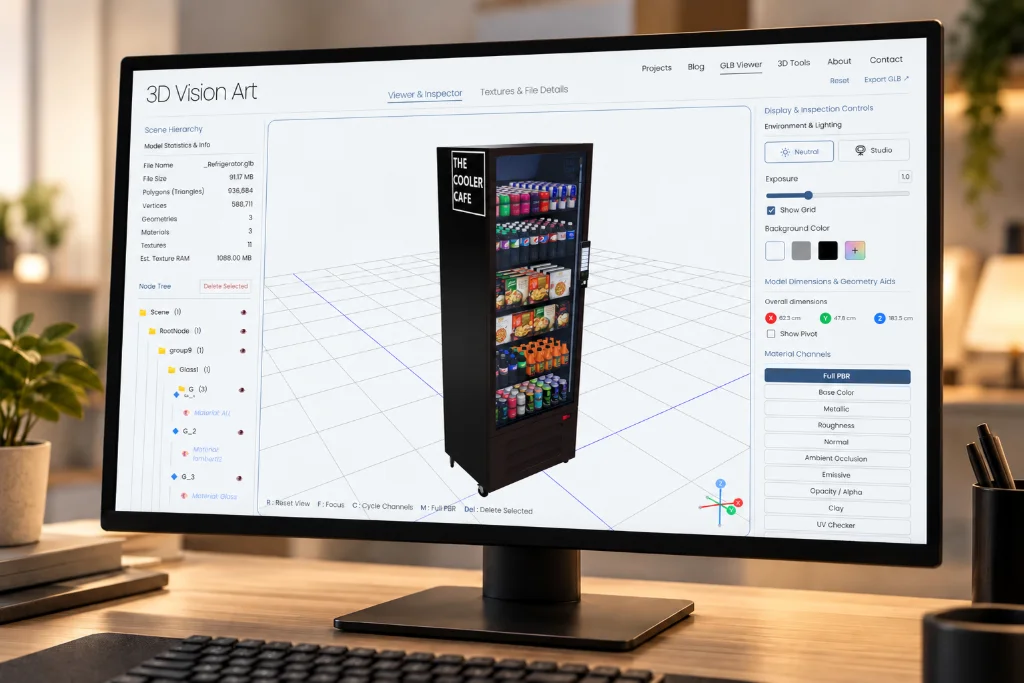
Make a product viewer usable with a keyboard and reduced motion
Make the product's useful inspection tasks available without pointer dragging. A canvas that can receive focus is not enough if the user cannot rotate the product, select a finish, reset the view, or leave the interaction.
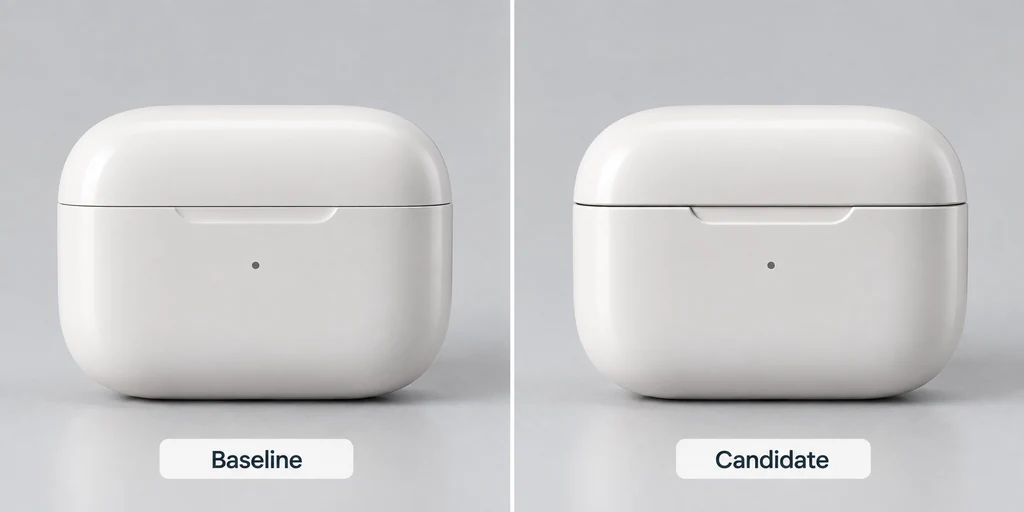
Compare two 3D asset revisions with repeatable visual tests
Compare revisions under the same viewing conditions. If the camera, environment, or exposure changes between captures, a difference image cannot tell you whether the product changed. Preserve a reviewed baseline and a named candidate.
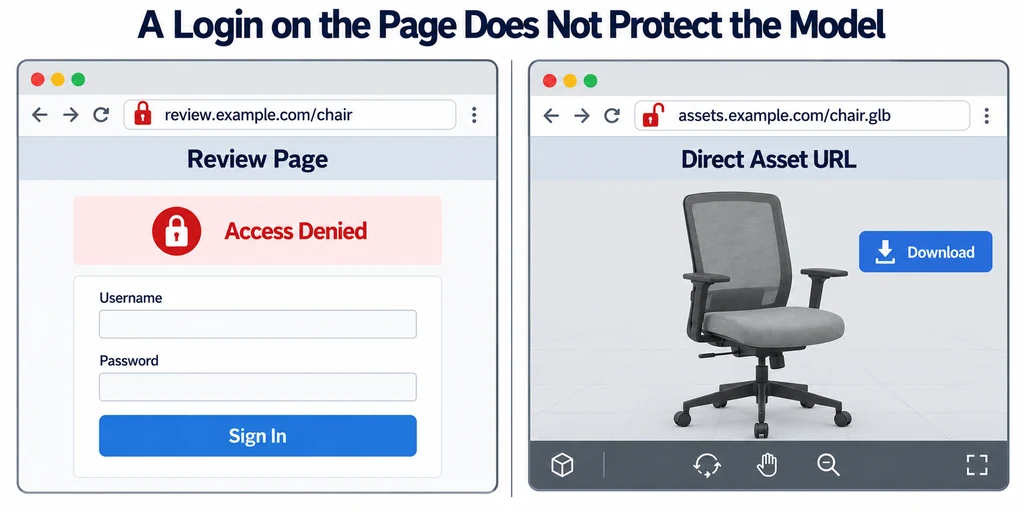
Share a 3D product review link with clear access and retention rules
Define the audience and lifetime of a review link before uploading the product asset. A hard-to-guess URL is not equivalent to authenticated access, and a login on the review page does not protect an independently public model URL.
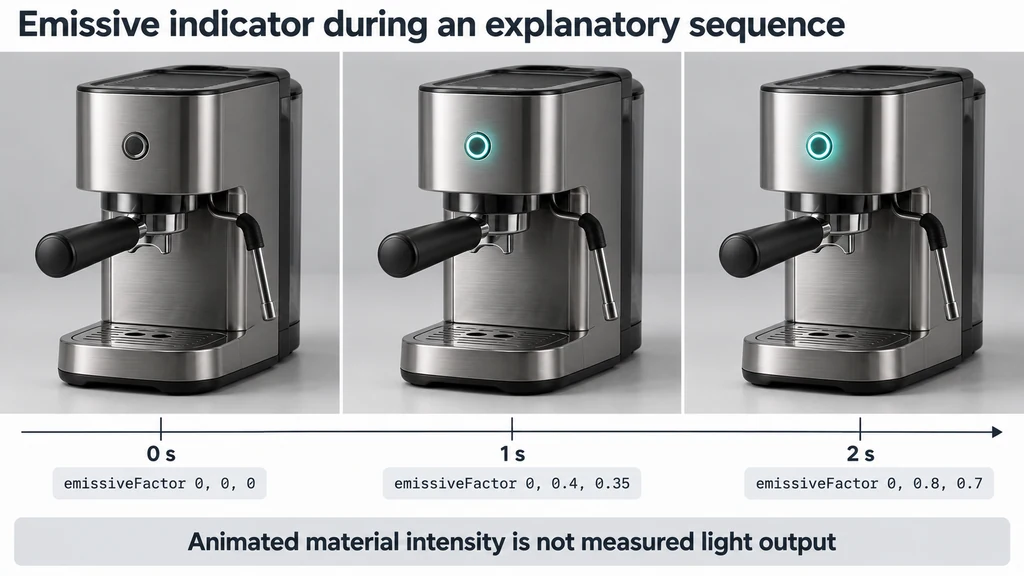
Animate glTF material properties with KHR_animation_pointer
Use KHR_animation_pointer only after checking the exact property and runtime path you need. The extension makes additional property animation possible, but it does not turn every material setting into a universally portable animation.
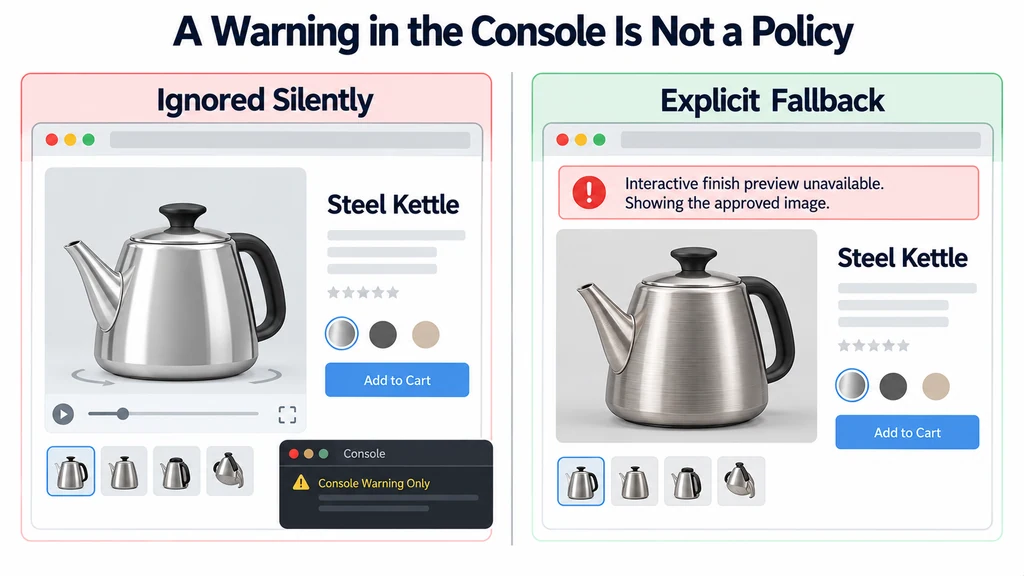
Handle unsupported glTF extensions with explicit fallbacks
Check the asset's extension requirements against the deployed rendering path before presenting it as a complete product. A valid file can depend on a feature the application does not implement. A loader warning is not an adequate customer-facing policy.
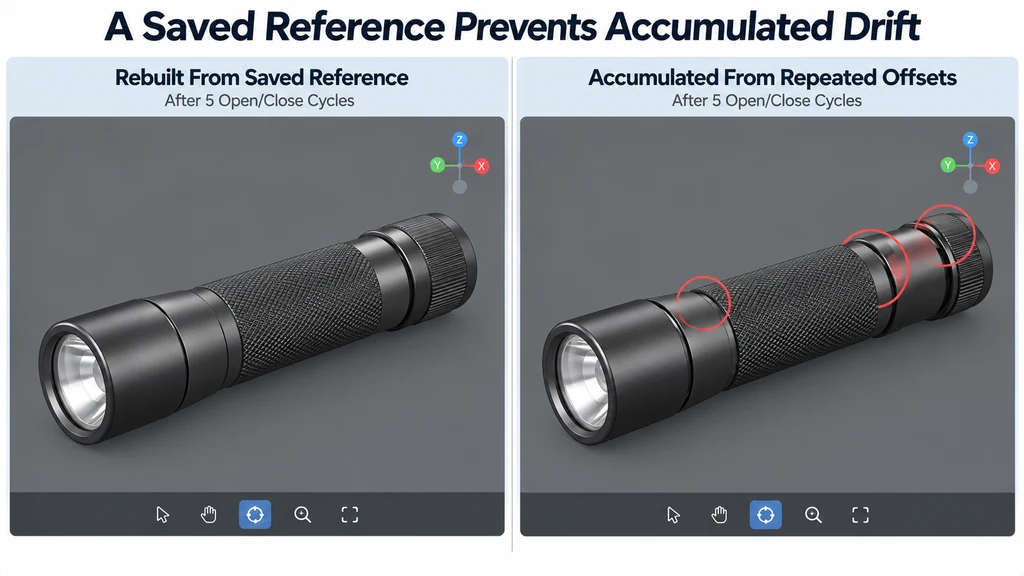
Build an interactive exploded product view with reversible part positions
Store the assembled transforms before moving any parts. Build the exploded state from that saved reference rather than adding offsets repeatedly to the current positions. This prevents accumulated drift when the user opens, closes, or interrupts the view.